

x402 is the main technology we will discuss and explore in today’s article. But before learning more about it, let’s go back to the early 2010s. If you were a developer or a business trying to accept payments on your website, it was a nightmare. The existing systems were clunky, filled with jargon, and required weeks of complex setup, dealing with banks, and worrying about regulations. It felt like trying to use a giant, ancient cash register for a website.

Stripe: Making Online Payments Click
And with that core problem in mind, Stripe was born to solve the payment complexity of the internet.
*“The future Stripe co-founders, the Collison brothers, understood that while many consumer payment methods could succeed, what was truly missing was a platform designed for businesses — a way to manage the full complexity of operating online.
This included not just payments, but also treasury management, legal issues, and compliance. Solving this became their core mission, and they worked tirelessly to bring that vision to life.” -* Stripe’s Founders: The Story of Collison Brothers Who Changed Online Payments Forever
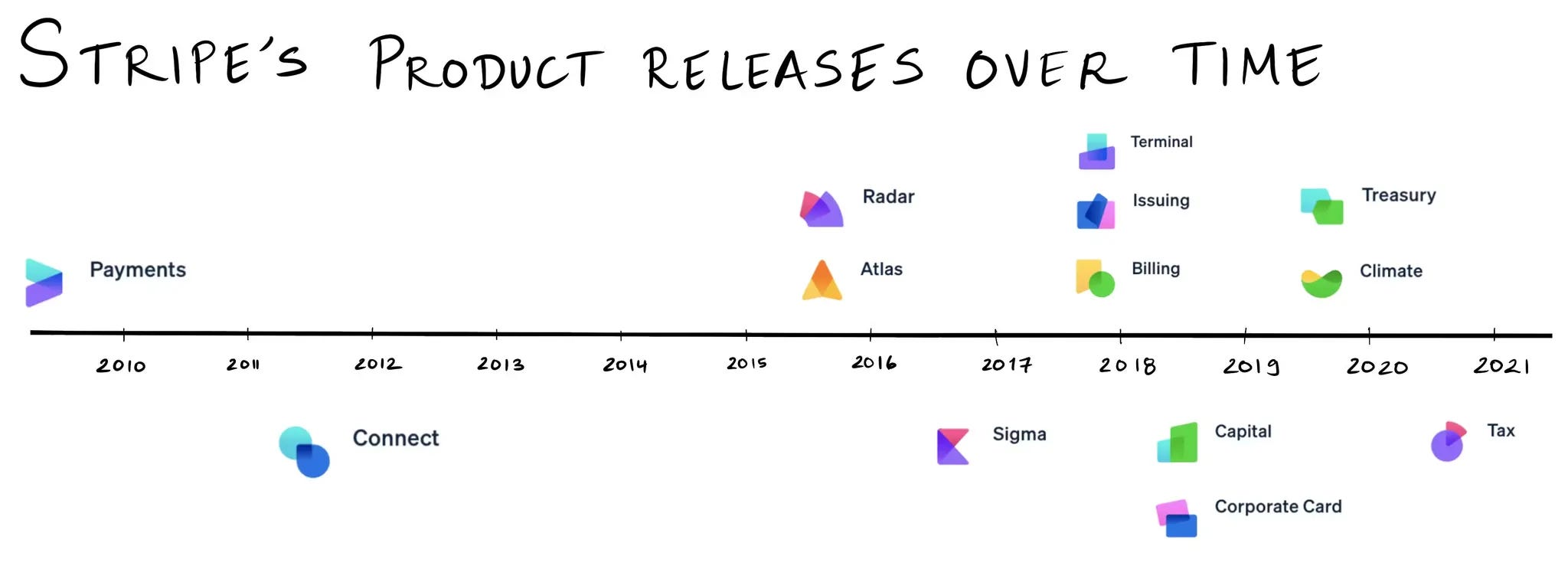
Stripe didn’t invent credit cards, but it transformed the payment layer by making it:
Developer-First: Their focus was on software engineers, not just CFOs. They treated payments as a technical problem that needed a clean, easy-to-use software solution.
Simple and Accessible: They abstracted away the messy parts—the security compliance (PCI), the bank relationships, the fraud checks—into a single, clean service. This dramatically lowered the barrier to entry for any online business, from a tiny startup to a massive marketplace.
Stripe essentially created the modern standard for Human-to-Business (H2B) digital commerce by making it smooth and programmable for humans buying things. Plus, there is a good article from Stripe that explains how Stripe works.
Payment in the Agentic Era
Agents are no longer a buzzword in 2025, as can be found from several reports:
The internet is filling up with increasingly powerful AI agents every day. AI isn’t just about the old-school chatbots anymore—it’s changed. These new agents are like super-employees: they speed up coding projects (The Rise of Cursor), create tons of articles, posts, and images across the web, and they’ve even gotten into the finance world, completely automating stock trading and portfolio management.
That shift in capability, from simple chatbots to autonomous workers in finance and development, highlights a critical, often-overlooked problem: how do these AI agents pay for things?
Stripe solved the friction problem for human users paying human-run businesses. But now, we’re facing a new problem: the agentic economy.
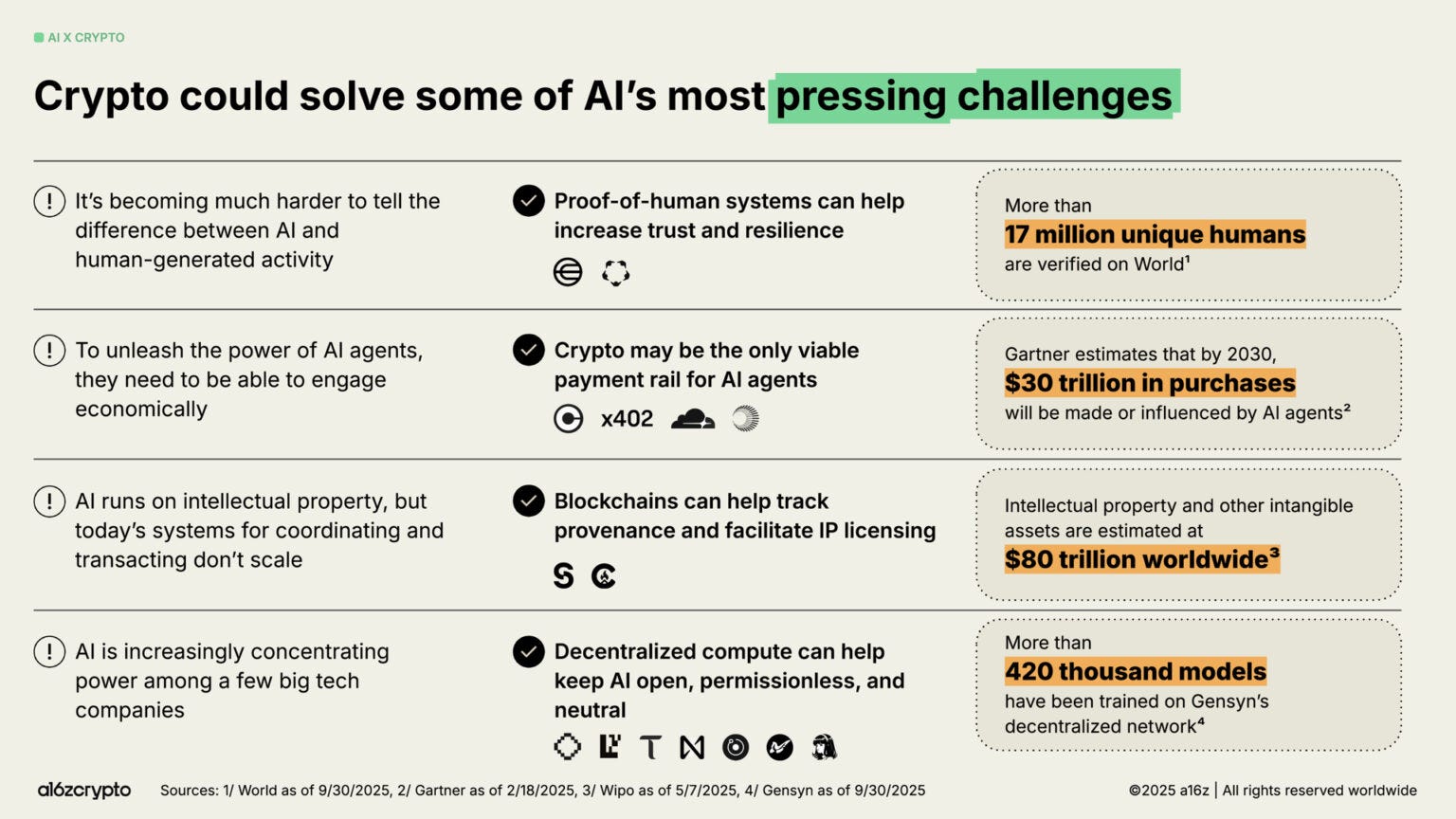
From the recent report of a16z, it is mentioned by Gartner’s estimation that by 2030, there will be more than 30 trillion US dollars in purchases across the Internet. But to enable a seamless payment process for the agent to make payments on behalf of users, we need an infrastructure that operates in a decentralized, automated way, and blockchain is a great fit for this global payment use case.
x402 protocol and how it transforms the digital commerce
According to Stripe’s guide to micropayment processing, micropayments bring significant benefits to digital businesses and their customers. However, current traditional infrastructure is not well supported for tiny amount transactions, a $0.10 payment, for example, can cost more to process than its actual value. This forces platforms to rely on bundling or subscriptions, limiting user flexibility in monetization options.
x402 is built with the goal in mind: “HTTP for payment”; it is an open protocol introduced by Coinbase to enable seamless, internet-native payments directly via HTTP.
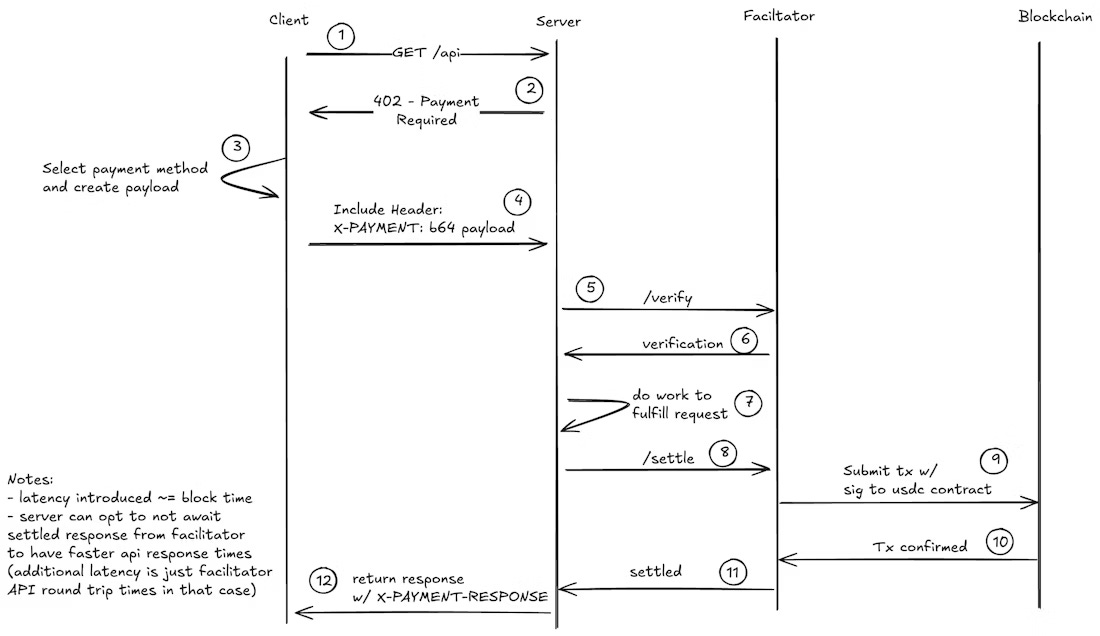
In fact, the protocol works in a very simple client-server HTTP communication mechanism. A bit about low-level implementation of the protocol, like ERC-3009 (which is a core EVM feature that empowers the x402 protocol), is what you can explore more aside from the main documentation.
The x402’s Facilitators
The most interesting part of the x402 protocol, in my opinion, is the facilitator. The facilitator is an optional yet recommended component that streamlines the verification and settlement of payments between clients (buyers) and servers (sellers).
The facilitator provides two key endpoints:
/verify — validates payment payloads.
/settle — finalizes transactions on-chain.
This removes the need for your server to run its own blockchain node or handle complex wallet operations. The Coinbase Developer Platform (CDP) offers a hosted facilitator to help you get started quickly, supporting fee-free USDC payments on Base in the initial phase.

Currently, a few core facilitators are empowering x402 transactions on Base and Solana. However, the horizon for the facilitator’s capabilities has not yet been identified, and more and more facilitator use cases are still in the research and development phase.
As the facilitator is the middle layer between server and the settlement layer (blockchain network), facilitator can empower multiple blockchains as far as the verification process is handled securely. Moreover, this also opens up cross-chain payment use cases: imagine micropaying the agent on Base with USDC on Solana. Hence, making the x402 protocol chain agnostic.
x402 integration and compatibility ecosystem
To drive interoperability, x402 now supports integration with multiple emerging protocols and platforms, bridging traditional, web2, and web3 infrastructures:
Cloudflare Pay Per Crawl (PPC) with x402
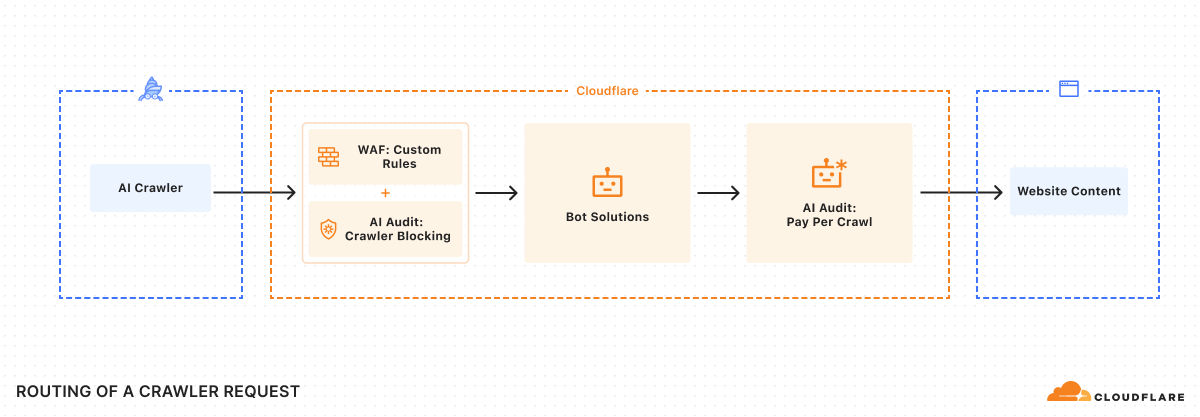
Cloudflare Pay Per Crawl enables websites to charge AI crawlers for accessing content. When a crawler requests data, the server can respond with an HTTP 402 to indicate payment is required — a model perfectly aligned with x402. Integrating x402 allows publishers to monetize content access dynamically, processing tiny payments per request instead of relying on monthly licenses or bulk APIs.
Cloudflare blog: Introducing Pay Per Crawl
Visa TAP
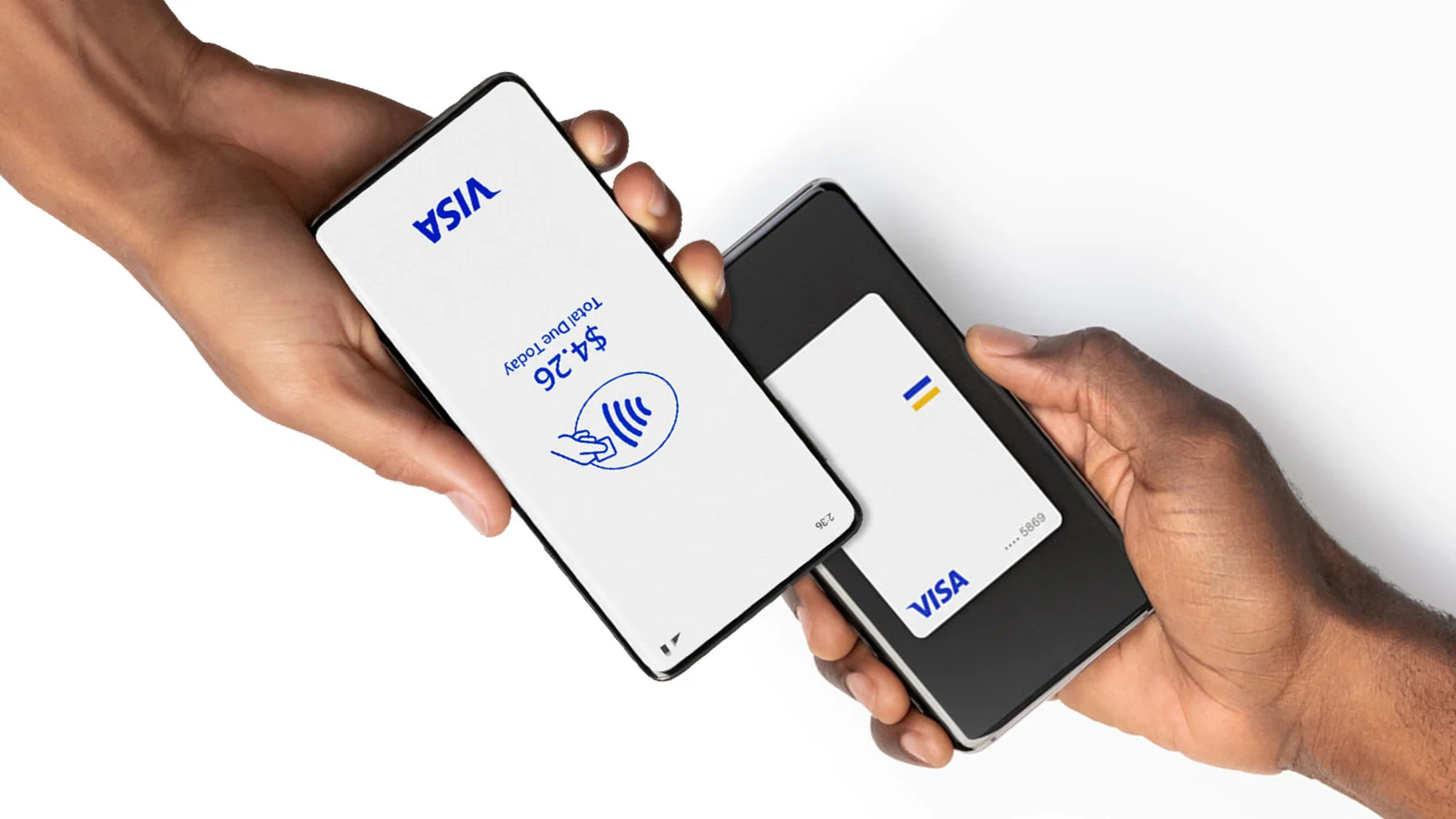
Visa TAP introduces a secure identity layer for AI-driven and device-based payments. It defines how trusted agents can authenticate and transact safely — both for physical NFC payments (“Tap to Pay”) and digital AI commerce.
By combining Visa TAP with x402, developers can bridge on-chain microtransactions with real-world payment identity. An AI agent or API could settle payments in USDC (via x402) while using Visa TAP to verify user identity and compliance.
Google A2A
Google’s AP2 tackles the fundamental problem of trust by requiring “verifiable intent, not inferred action.” It uses cryptographically signed digital contracts, known as Agent Mandates, which serve as non-repudiable proof of a user’s instructions. This prevents AI agents from “hallucinating” purchases or acting outside their defined limits.
The A2A x402 extension, developed with Coinbase, Google, and the Ethereum Foundation, is the production-ready solution for agent-based crypto payments and is the only stablecoin facilitator extension for AP2. In short, Google’s AP2 provides the necessary trust and intent layer (the mandate), while x402 supplies the lightning-fast settlement layer (instant stablecoin payments). This powerful alignment with a major web and AI player speeds up x402’s path to becoming a mainstream standard.
Integrating x402 into A2A flows allows one agent to pay another for services or compute — turning cooperative agent ecosystems into self-sustaining micro-economies.
Vercel MCP x402
Vercel’s x402-MCP brings open-protocol micropayments into the Model Context Protocol (MCP) ecosystem. It allows developers to integrate pay-per-inference, pay-per-token, or pay-per-API-call models directly into their AI tools and agents — all without managing wallets or blockchain nodes.
Challenges and Opportunities
Getting Everyone on Board: The Adoption Challenge
Even with a strong, elegant design, widespread adoption is challenging because a payment protocol only becomes useful when everyone uses it. While it’s technically easy for service providers to integrate (as little as one line of code), true success requires major platforms—like e-commerce providers and cloud services—to adopt it.
The x402 Foundation, leveraging the combined muscle of Coinbase and Cloudflare, is focused on driving this platform integration to achieve comprehensive network effects, with early platform adoption already visible, such as Gate Web3’s x402 trading zones.
Wallets and Keys
While x402 is built for agents, a human still needs to initiate and fund the overall process. The user experience of current Web3 technology—specifically managing wallets and private keys—remains a barrier for the average person.
For x402 to fully succeed, paying $0.01 must feel as simple as tapping a credit card.
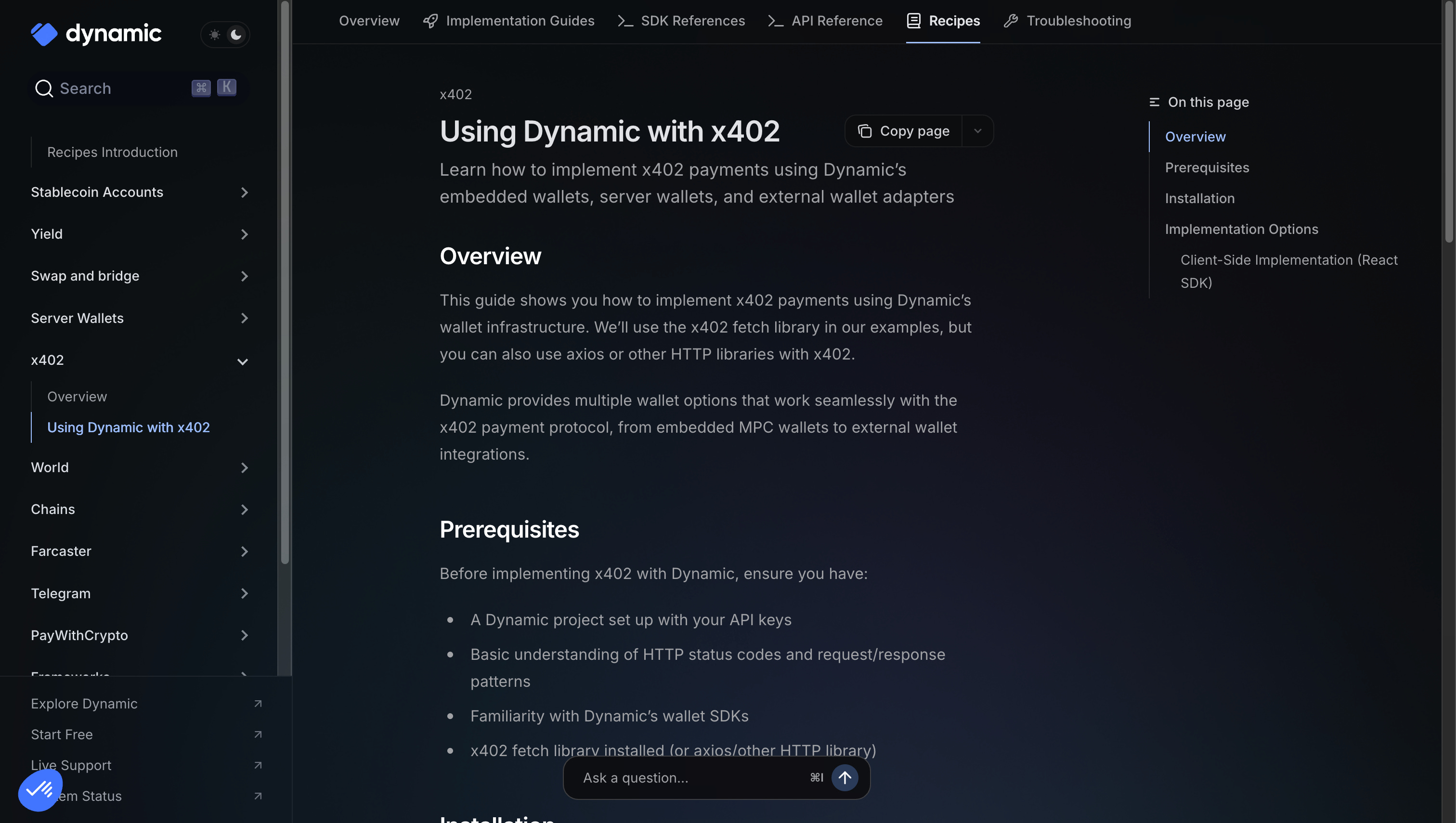
Wallet service providers like Dynamic or Privy are currently in research and development phase to roll out a solution for the seamless with x402 protocol which can solve the problem we have with managing the user private key.
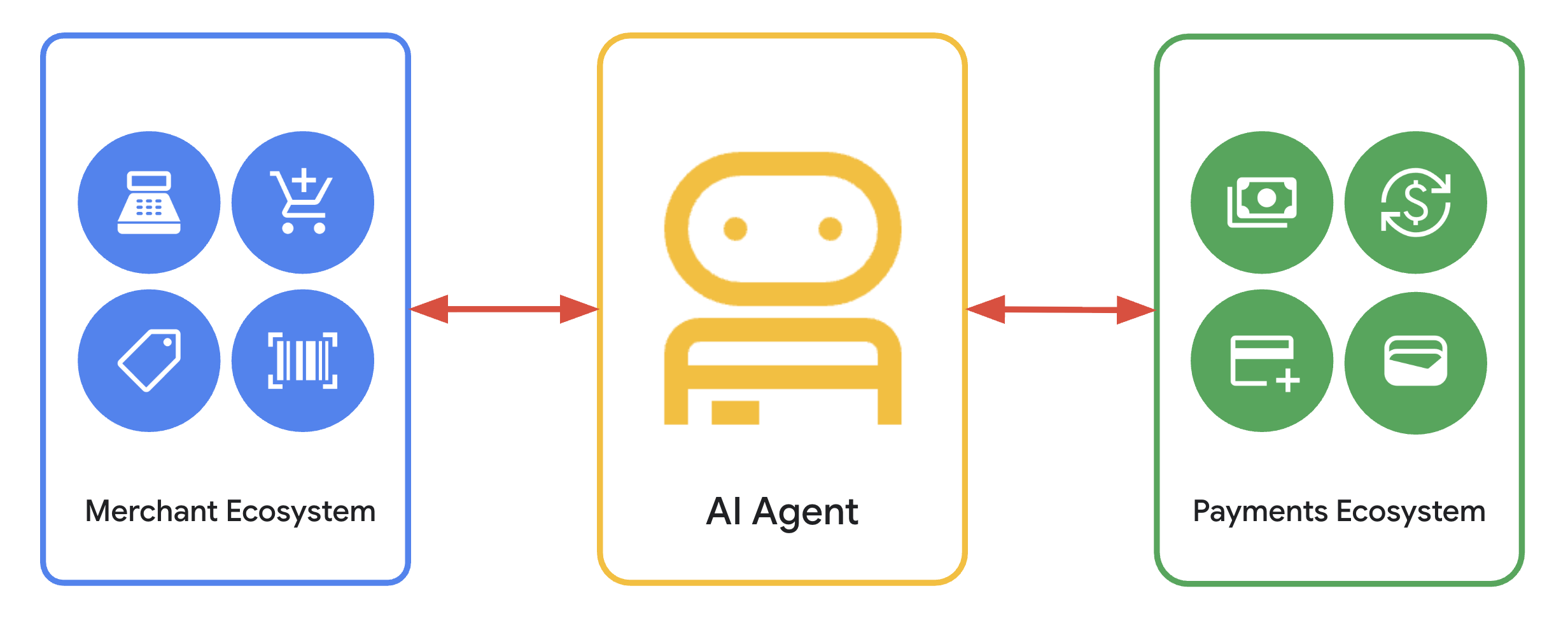
On the other hand, integration with AP2, which allows for “one-click confirmation” of transactions, and the design of the facilitator, which abstracts away blockchain complexities, are critical steps toward building a payment system that is both incredibly efficient for machines and seamless for the people who control them.
To summarize, x402 enables instant, pay-per-use micropayments directly over the internet. This is foundational for the AI agent economy, allowing automated services to buy and sell resources autonomously, efficiently, and at scale, unlocking the next wave of agentic applications.