

Since its launch in mid-2023, Base has reached several impressive metrics for its network and the builder and creator community across the globe. For anyone who is not familiar with Base, Base is an L2 blockchain network backed by Coinbase.
The challenge with blockchain has always been that its technology is typically perceived as highly technical and filled with low-level jargon, creating a steep barrier for non-technical audiences. But with Base it is different.
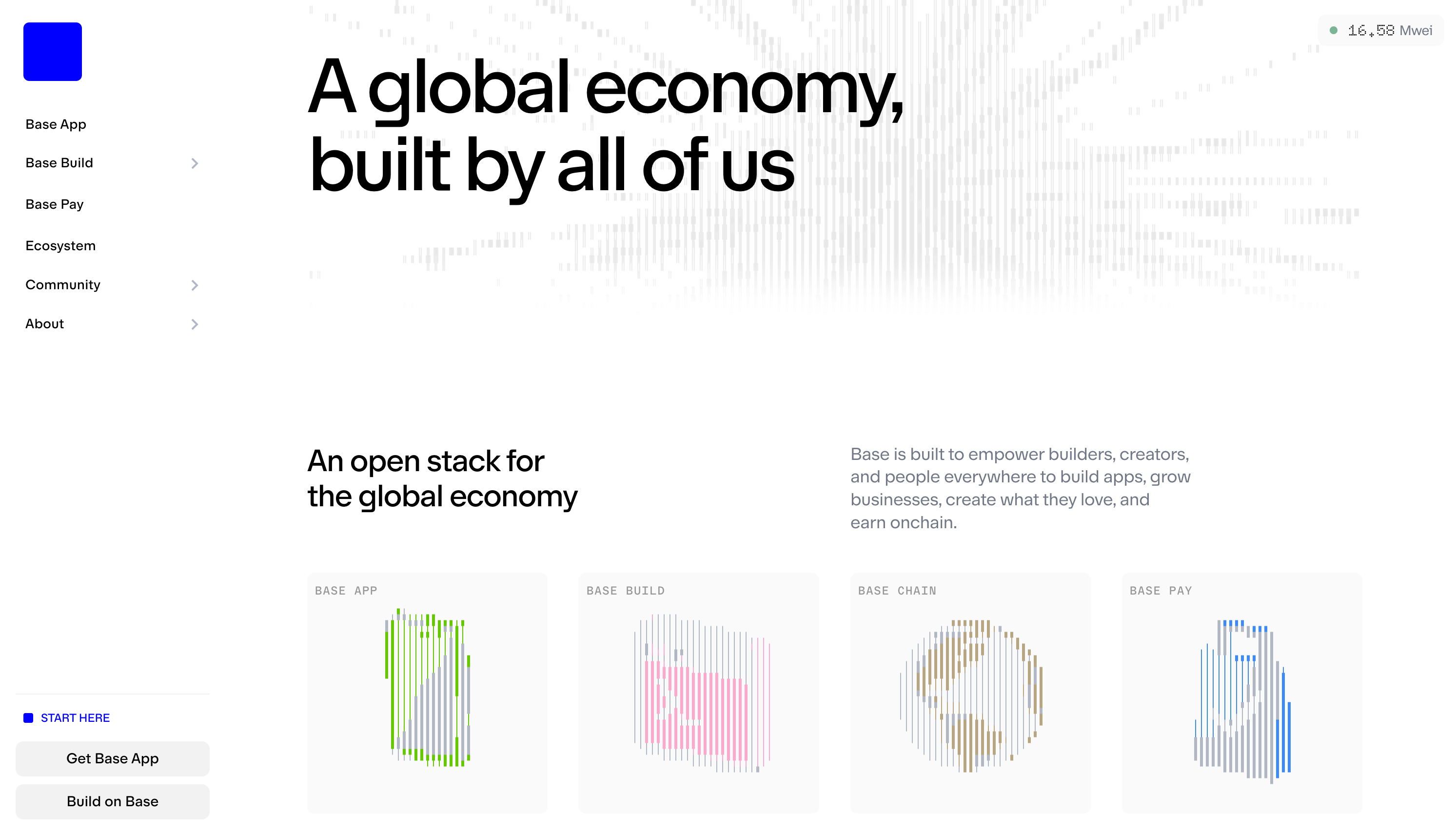
Base positions itself as an “open stack for the global community”, an open stack that allows anyone, including developers and creators, to build onchain without knowing much about how the base layer works.
To learn more about Base ecosystem and its long-term direction, we actually also have an article for it here: https://x.com/elastic_hub/status/1984210892767326211
Imagine having a giant, perfectly organized garage filled with the best tools, blueprints, and a huge community of fellow builders ready to cheer you on. That’s essentially what Base is. Incubated by Coinbase and built on the super-scalable Optimism OP Stack, Base’s mission is simple: to make going “onchain” as easy as going online.
Sounds interesting, right? Here’s a closer look at the actual toolkits and the Base ecosystem that make building on Base so genuinely exciting.
Onchain Flywheel for Base Builders
Based on my experience building on Base and my professional experience as a devrel, I have constructed a flywheel for my own journey to maximize the resources to grow with the Base ecosystem. In fact, the flywheel below can be applied to any blockchain ecosystem you join as a builder, not only for Base. From my perspective, as a new builder (or even existing builders), you should follow the cycle below:
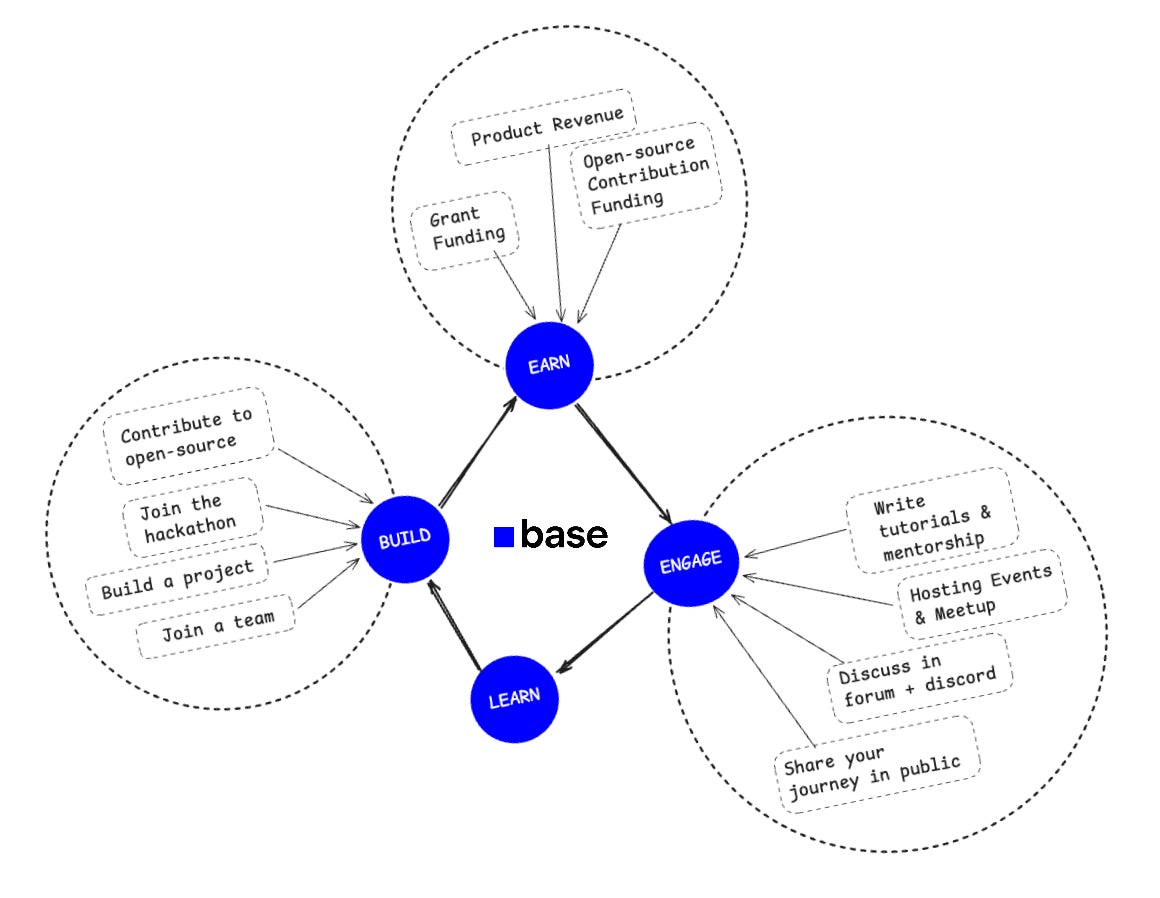
Learn
When you join a new ecosystem, the first and most essential step is to learn.
Prepare yourself with the domain-specific knowledge and skills that the ecosystem requires. In blockchain, this means understanding more than just the technology — you need to know the culture, the people, the strengths and weaknesses of the ecosystem, and how it differentiates from others.
If your goal is to grow long-term in this space, take time to explore:
The core technologies (Layer 2 solutions, SDKs, APIs, onchain primitives)
The builder resources (grants, hackathons, incubators)
The values and vision of the ecosystem (for Base, that’s onchain summer, open onboarding, and being the bridge to the next billion users)
Resources
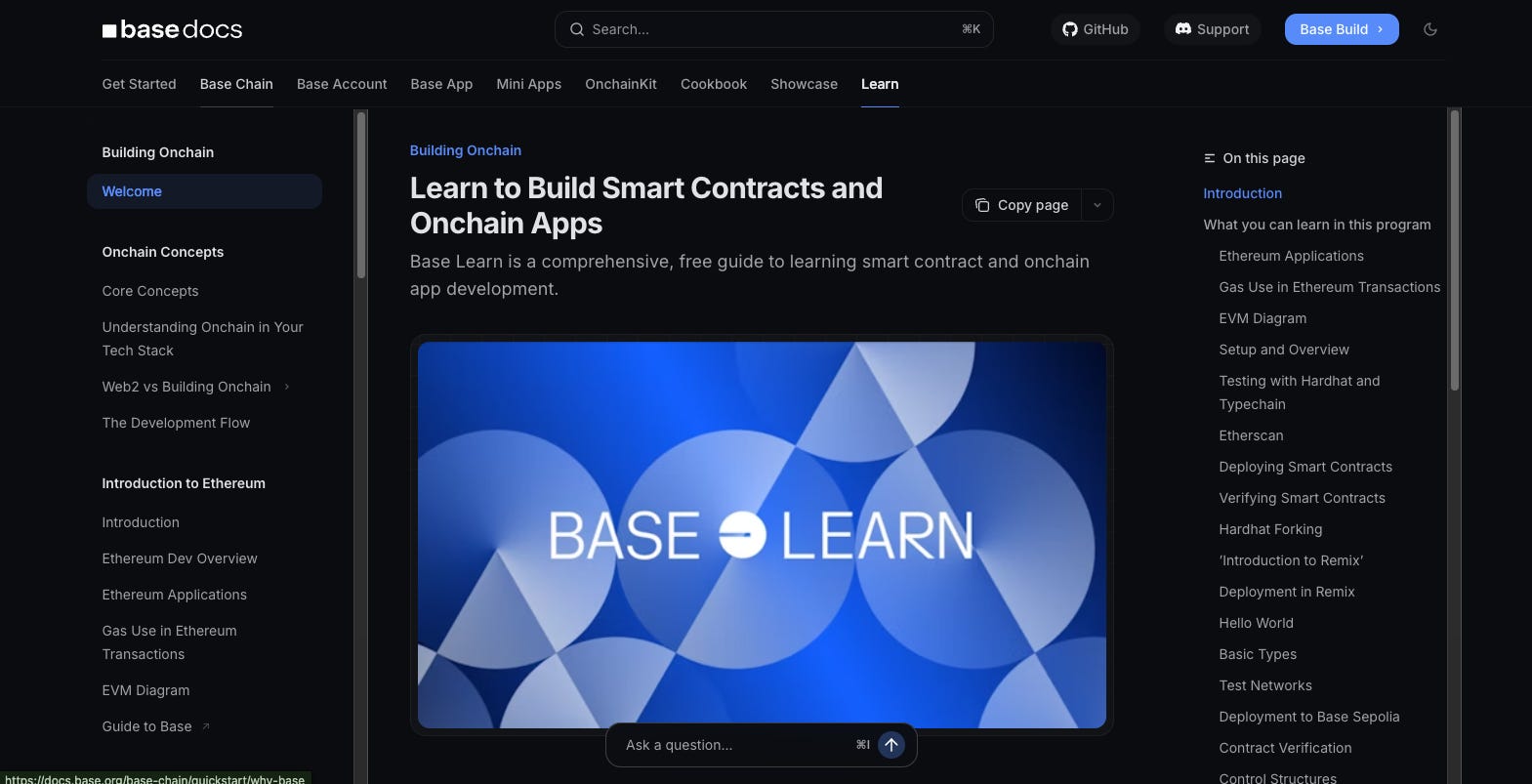
Once you build context and understanding, you’ll not only code better — you’ll communicate, collaborate, and innovate better too. The below are list of resources for anyone want to learn about Base:
Base Docs – the core technical documentation to understand architecture, APIs, and deployment.
Base Learn Hub – curated tutorials, guides, and ecosystem walkthroughs.
Base Blog – insights from the Base team and ecosystem partners.
Base Discord – the central hub for developer discussions, questions, and announcements.
Build on Base Workshop Series – recorded sessions and bootcamps to get hands-on with the tech stack.
Build
After understanding the ecosystem, it’s time to build.
Start small — create something that solves a real problem or showcases a new possibility. Whether it’s an onchain app, a developer tool, or a creative experiment, building is how you apply what you’ve learned and gain real feedback from the ecosystem.
The “build” phase is also about iteration — shipping MVPs, joining hackathons, and integrating ecosystem tools. Don’t chase perfection; focus on momentum.
Within Base (or any blockchain ecosystem), there’s always support from the community:
Open-source repos and starter kits
Builder communities and meetups
Ecosystem-specific funding and mentorship programs
Remember: every small project is a stepping stone to something bigger.
Resources
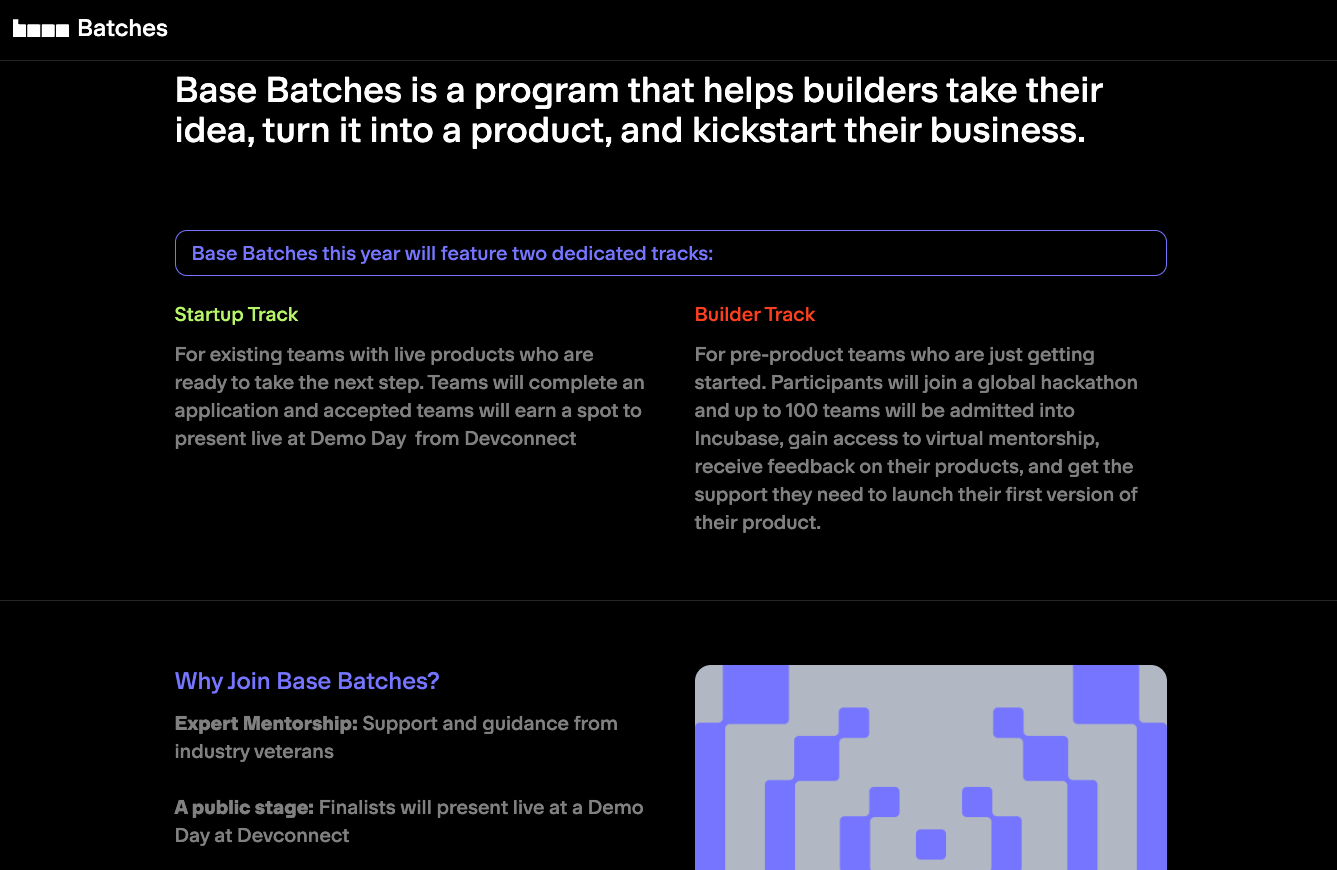
Aside from that, Base also provides a lot of playgrounds and competitions for new builders to build your idea on top of Base chain.
Base Starter Kits – official templates and examples for smart contracts, full-stack dApps, and NFTs.
Base Explorer – track transactions and smart contract activity.
Onchain Summer Builders Program – join Base’s flagship builder campaign that rewards creativity and innovation.
Base Batches - Hackathon and incubation that helps builders to build and grow on Base.
Earn
Once your work starts to bring value to others, you’ll naturally move into the Earn phase.
Earning here doesn’t only mean financial gain — it also means earning credibility, opportunities, and relationships. As you contribute to open-source projects, share tutorials, or collaborate with teams, you build reputation and trust within the ecosystem.
In Web3, “earning” can take many forms:
Ecosystem grants for builders who add value
Bounties and collaborations from projects seeking help
Revenue and token incentives from your own products
Speaking, writing, or teaching opportunities as your expertise grows
Earning is the fuel that allows you to reinvest in your next cycle of learning and building — it sustains your journey.
Resources
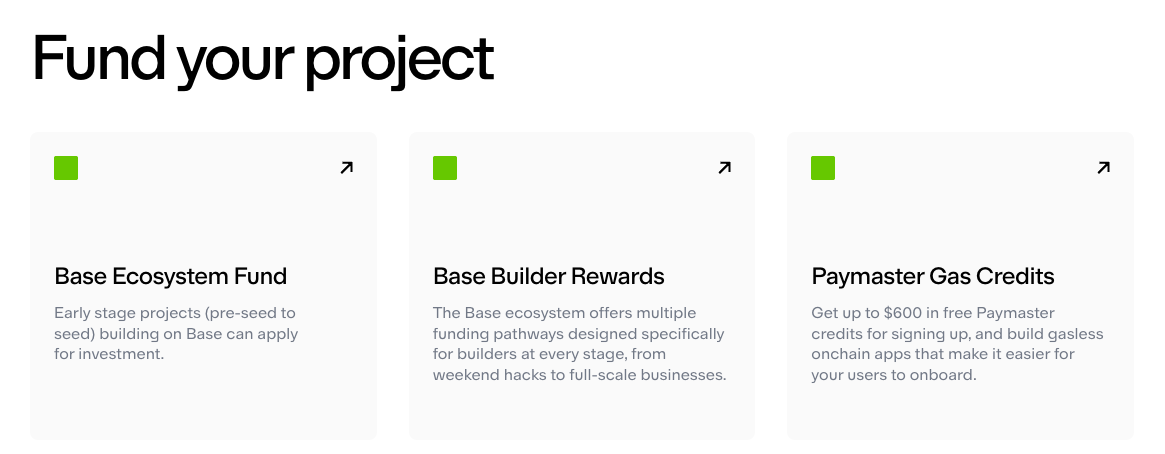
Base provides a lot of resources for any project to get their idea funded:
Aside from Base Batches and other competitions, you can request grant funding via Base Ecosystem Fund: Supports early stage projects to build on Base.
There are also Base Builder Rewards or Paymaster Gas Credits to empower infrastructure contributor as well. Learn more in the Base Documentation - Get Funded
Bounties & Ecosystem Rewards – find Base-related bounties and open tasks.
Coinbase Ventures – potential for early-stage investment if your project aligns with Base’s mission.
Showcase on Base Ecosystem Directory – get featured among official Base projects to attract collaborators and users.
Engage
The final part of the flywheel is Engage — and this is where you turn from a participant into a contributor.
Engagement is about giving back: mentoring new builders, joining community calls, writing content, or even contributing to governance discussions. This is how you create network effects — by helping others learn and build, you strengthen the entire ecosystem (and indirectly, your own growth).
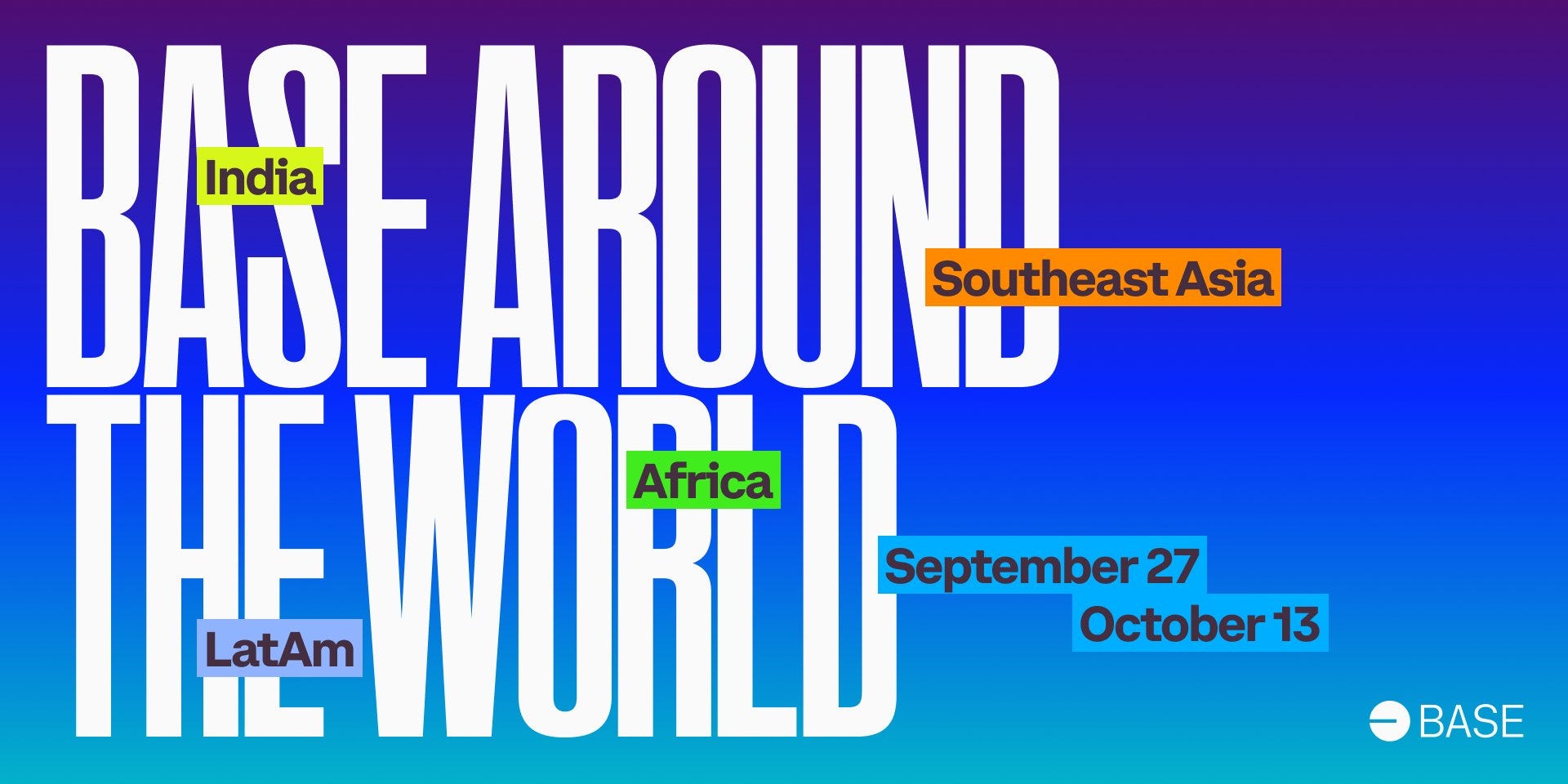
As a DevRel, I’ve seen how consistent engagement transforms individual builders into ecosystem leaders. When you become a trusted voice, opportunities start coming to you: collaborations, partnerships, and visibility that compound over time.
How to Engage
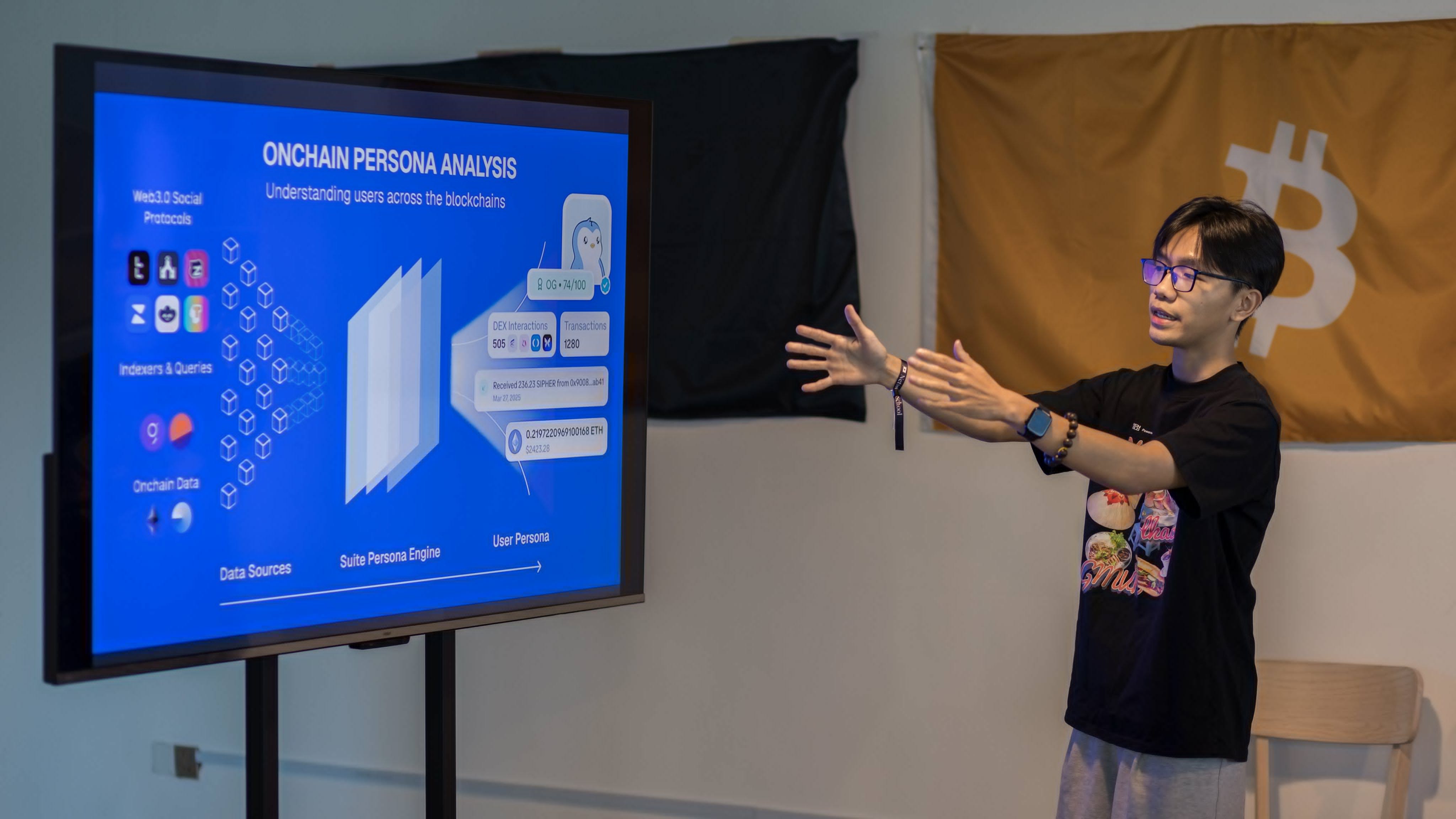
Join the Base Guilds – connect with interest-based communities (builders, designers, educators, etc.).
Contribute to Open Source Base Projects – help improve SDKs, docs, or community tools.
Participate in community calls & Base Builders Office Hours in Base Discord – network with the Base core team and fellow innovators.
Create content – share learnings via blog posts, workshops, or tutorials; Base often amplifies community voices on X.
Base Developer Ecosystem
OnchainKit
OnchainKit is the core full-stack SDK for the Base ecosystem — built to let developers ship on-chain web or mini-apps quickly, without needing to build every component from scratch. docs.base.org+2docs.base.org+2
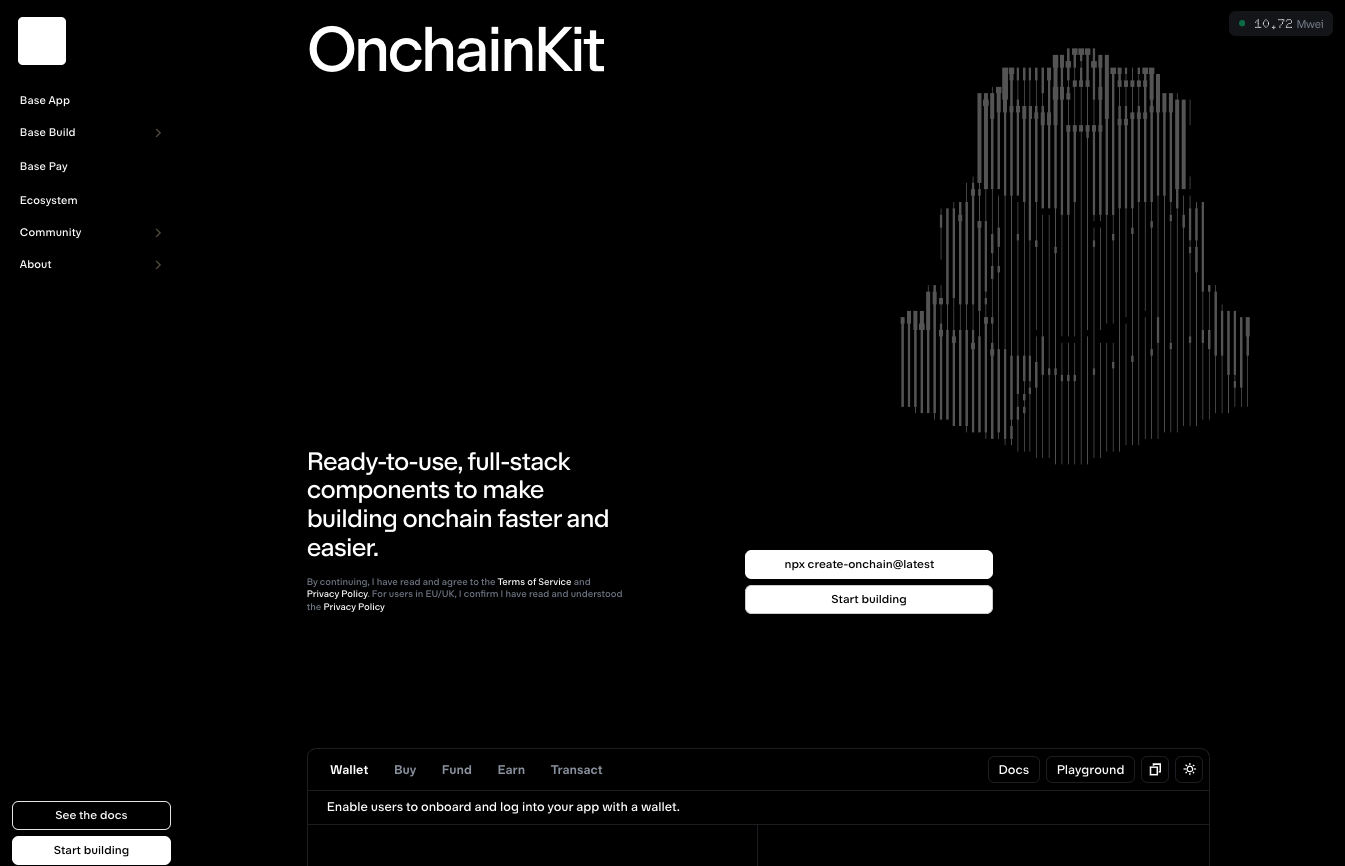
Pre-built React components & TypeScript utilities: wallet connection, identity (ENS/Basename), transactions, swaps, checkout. docs.base.org+1
“Framework-agnostic” (for React-supporting frameworks) and deeply integrated with Base’s protocol features. docs.base.org
Templates and starter flows (NFT minting, funding flow, social profile, commerce) to get a project running in minutes.
For builders in Base (or any blockchain ecosystem), OnchainKit means you don’t always start from zero. You get a battle-tested base, focus on unique value (UX, features) rather than plumbing. It accelerates your cycle: learn → build → earn → engage.
AgentKit
AgentKit is a toolkit designed for building AI agents that interact with the blockchain. In the Base ecosystem, you can use AgentKit to give agents “wallets”, on-chain actions (transfer, swap, smart contract deploy) and multi-chain support.
Key features
Secure wallet management for agent identities.
Framework flexibility: works with various AI frameworks (LangChain, Vercel AI SDK, etc.).
Multi-Network support including Base.
As blockchain meets AI, the “agent” layer becomes powerful: automatic on-chain ops, autonomous wallets, composable services. With AgentKit, you’re not just building a dApp — you’re building an intelligent actor inside the ecosystem.
x402
x402 is an open payment standard/protocol for micropayments (especially for AI agents/APIs) that supports networks like Base and enables pay-per-use monetization (no subscriptions, API keys, etc). x402.org
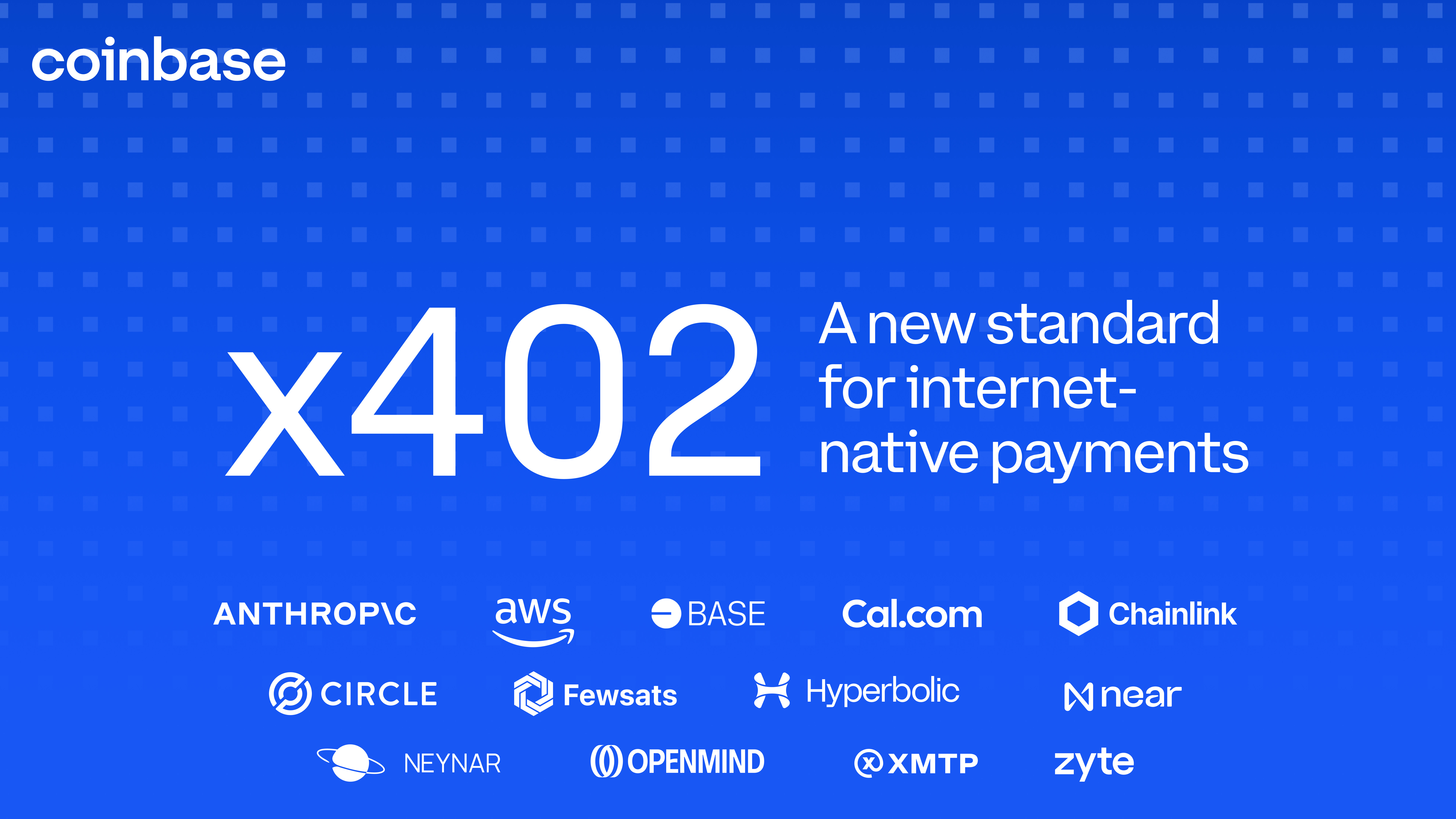
Supports stablecoins and on-chain payments (USDC on Base) for autonomous agent-to-agent or machine-to-machine payments.
Discovery layer “Bazaar” for services: agents can discover payable endpoints through x402.
Multi-network support (Base, Solana, etc).
This opens a new dimension: not just building apps for humans, but building services consumable by agents or machines, where payments happen automatically in tiny increments. In Base, you can integrate x402 so your service is monetizable out of the box. For builders, this means new business models.
Base Mini Apps
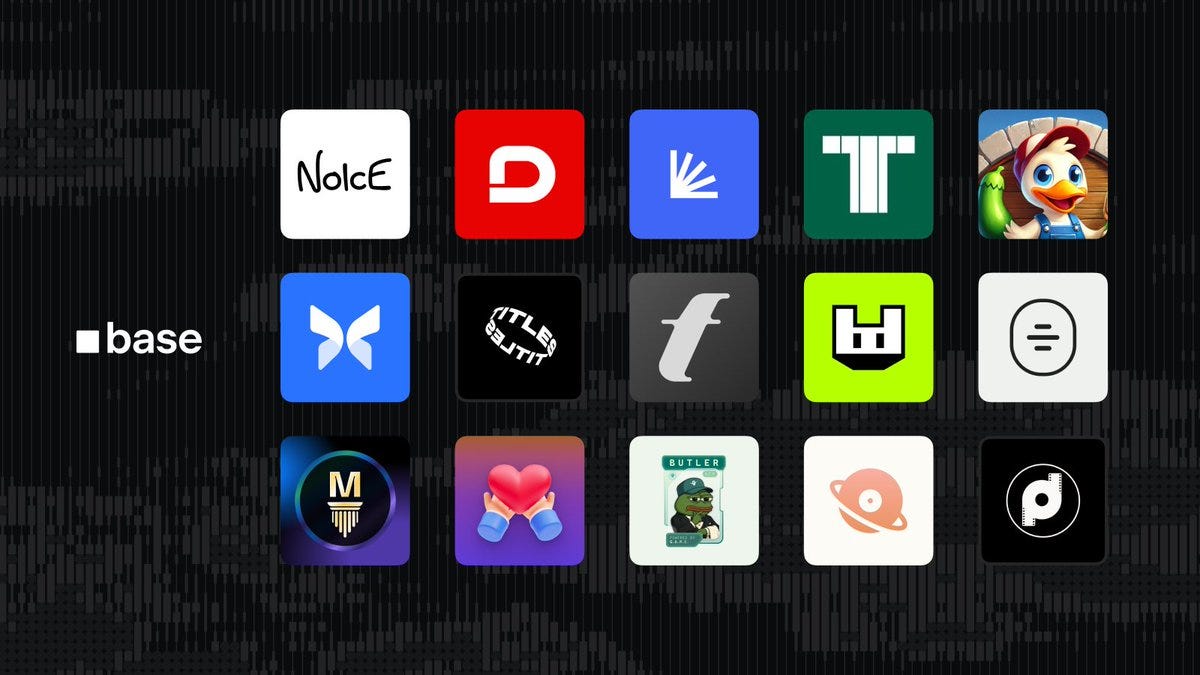
Mini Apps in the Base ecosystem are lightweight web apps that run inside the Base App (and compatible clients) with minimal friction: no installation, immediate access, social discovery and built-in on-chain features.
Launch instantly from social feed inside the Base App.
Use MiniKit or Farcaster SDK to build; convert existing web app into a Mini App with minimal changes.
Built-in features: wallet integration, gasless transactions (via Paymaster), social sharing, discoverability.
Distribution and engagement are notoriously hard in Web3. Mini Apps reduce friction for users and give builders viral edges: one-tap access, social sharing, friend graphs, embedded in conversations and feeds. For you as a builder, this tool lets you go from code to users rapidly with less infrastructure overhead.
The Base ecosystem is more than a Layer 2 — it’s an open playground for builders, creators, and innovators who believe in the onchain future.
From learning the fundamentals with Base Docs and workshops, to building with OnchainKit and Mini Apps, to earning through grants and open opportunities, and finally engaging with the global community — every step you take spins the Builder Flywheel faster.
With the rise of developer-first frameworks like OnchainKit, AgentKit, x402, and Base Mini Apps, building on Base has never been more accessible or more powerful. Each tool represents a piece of the onchain stack — from user experience to AI agents to micro-payments and frictionless distribution — all designed to accelerate innovation without gatekeepers.
So keep the flywheel turning:
Learn → Build → Earn → Engage → Repeat.
Your journey isn’t just about creating dApps — it’s about co-creating the next generation of the internet.
And that journey starts right here, on Base.
Written by Twitter @chungquantin